I didn’t plan to write this. I’ve written enough about black metal to know that most people don’t care, and the ones who do already know what’s coming. But twenty years have passed since Misty-Graveyard started, and the story deserves to exist somewhere before it fades into dead links and lost files. So here it is, how it started, what it became, and where it all went wrong. So, what follows isn’t nostalgia. It’s documentation, just for myself and maybe for you.
I guess the story started from the time I got into metal. I was in high school when I befriended a metalhead guy named Sovereign, who had this blog called Sovereign in Avernus. I was aware of Iron Maiden, Sabbath, Metallica at the time and quite liked them. My cousin had a Deicide hoodie, but I didn’t know what it was, it definitely looked cool.
It was the beginning of the smartphone era, and my high school friend played me Symphony of Destruction by Megadeth. I didn’t realize music could get even more extreme. As we talked more about music, he mentioned he had a blog I should check out. I did, and discovered his post about black metal, I believe it was Dimmu Borgir’s biography.
Around the same time, I had found Burzum and Darkthrone through another friend who I traded music and video clips with; he gave me an MP3 CD. Dial-up internet was was pretty shitty, but I had been using DC++ to pirate music, so I looked for the band names that were in that traded CD. That’s how I discovered the Black Metal Hub. I’d run my dial-up overnight, downloading shared archives from people all over the world. I guess millennials remember that it would take approximately 4 hours to download 100MB. I’d roughly spend about 30 hours to download enough materials to fill a CD and then trade it to get more music, you got the idea. Tape trading was still a thing in early 2000s Iran, but I was more of an internet guy. Through Yahoo Messenger! chatrooms, we’d exchange info, eventually meet up, and so on.
Since I wouldn’t shut up taking about music, eventually Sovereign asked if I’d be interested in writing for his blog. I started writing band biographies and album reviews in Farsi. I’d pick a band, look it up on Metal-Archives, gather everything about them online, and translate it all, word by word with a paper dictionary or a dictionary software called Babylon, until I made sense of everything and eventually wrote something about them.
Unfortunately, sometimes in 2007, the blog was filtered, banned, and eventually deleted from its host site (sovereign-in-avernus.mihanblog.com | 2004-2007). There were no solid backups, expect for a few posts that I had duplicated on my own weblog. I vaguely remember writing about bands like Nargaroth, Mayhem, Burzum, and Pantheist, and a bit of history about the Norwegian scene. There were a handful of other blogs writing about black metal in Iran at the time, I remember finding them very inspiring, blogs like, Dunkelheit and Dark Hell, and Azidahak.
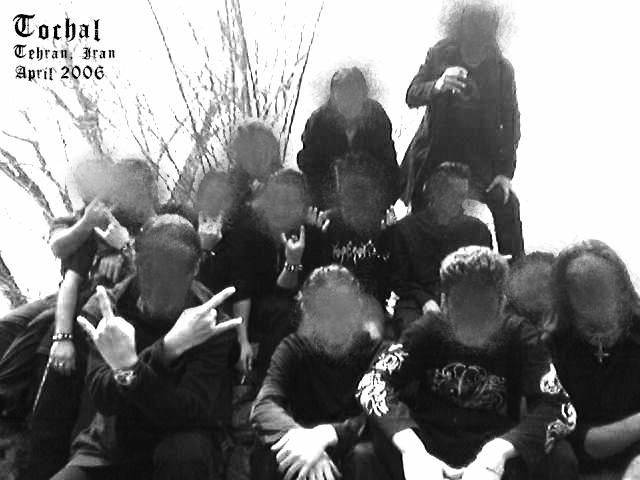
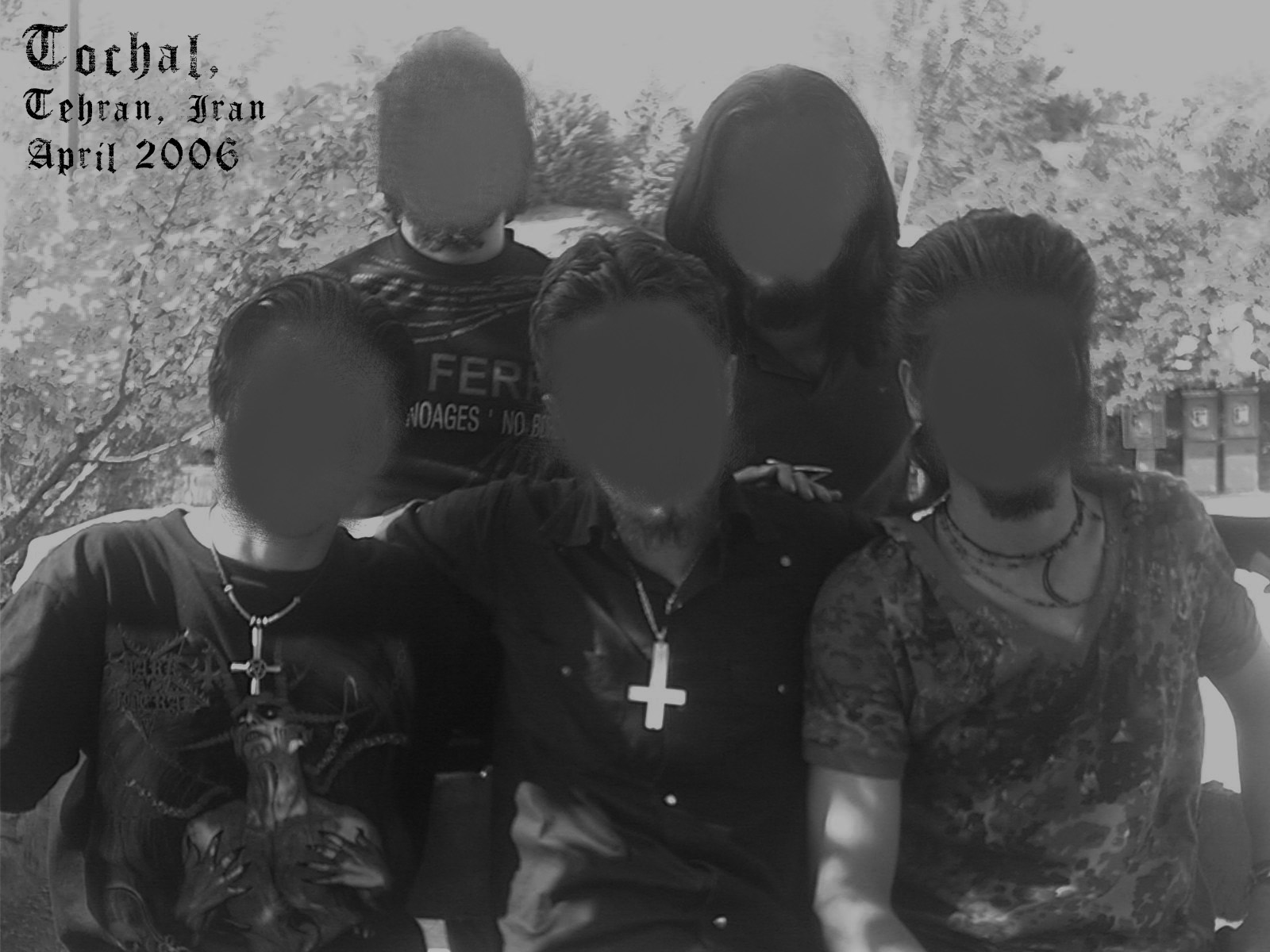
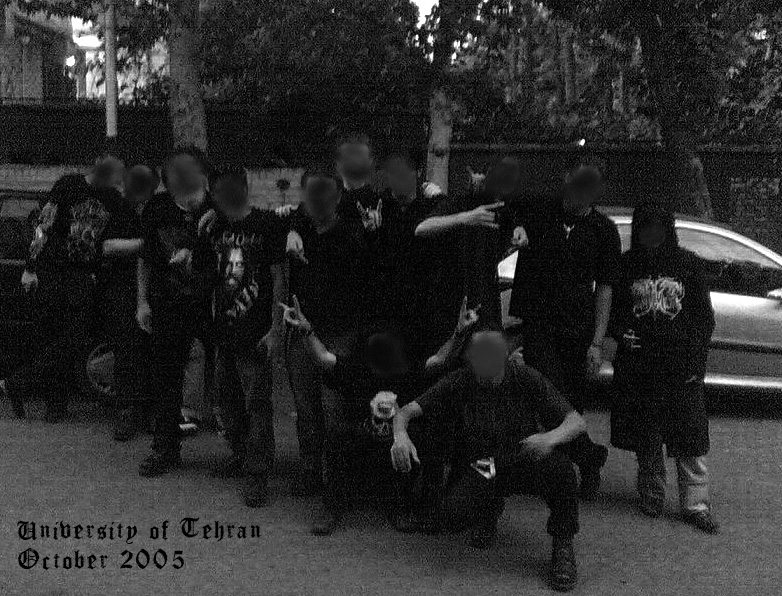
During the Sovereign in Avernus era, we arranged a number of metal meetings in Tehran, where metalheads would gather in secret places and play music and socialize. Sovereign had been in touch with metalheads via Yahoo! Messenger chatrooms and arranged a couple meeting before I got onboard. Eventually, The meetings ended with the blog’s shutdown and a couple disturbances by the police which led to the arrest of a number of people at Park Mellat meeting. But we continued to meet weekly every Friday at Tochal Mountains in north of Tehran later until summer 2006, where myself and 11 of my friends were arrested by local police and transferred to jail and eventually prosecuted. As much as the experience was horrifying, luckily because most of our group were underage, we were dismissed at the court.
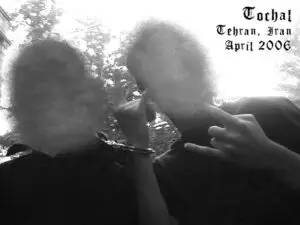
Day of the arrest
As I’m writing this, I found a screenshot of the very last post written on Sovereign in Avernus weblog; I couldn’t exactly recall what happened, but this explains it:
“Dear friends, the S.I.A blog, one of the oldest and most respected Iranian blogs in music, after three years of covering news, especially black metal, daily updates, biographies of top artists and bands, music downloads, and more, now falls into deep silence. It goes silent here not from fatigue but from necessity, compelled into quiet. We hope we have been able to serve you well up to this point, without lies, theft, arguments, or other issues. I am announcing that our activity has come to an end, and until another outcry breaks this deadly silence, there will be no updates. We send greetings and respect to the old and dear blogger friends who, like us, have forcefully fallen into silence, and we wish success to those who are just beginning their activity.”
-Deineath, Aug 16, 2007
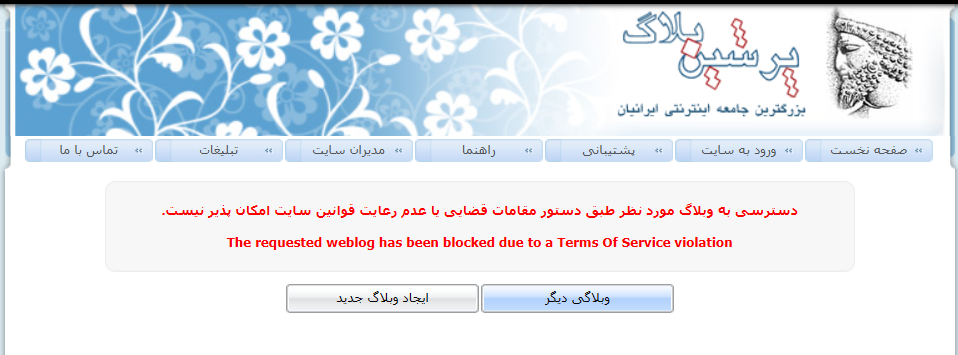
Weblog shutdown by the Islamic Gov. order in 2007
The experience led me and some of the other guys to distance ourselves from the scene, at least for a short while. I was wearing a Dark Funeral shirt with Diabolis Interium on it when we were arrested, and because of that, I didn’t wear that shirt nor did I listen to Dark Funeral until I saw them live in 2019, where I told Lord Ahriman the very story.
Shortly after the blog ended, I thought of turning my own blog, which I had created to replicate what we were doing over the two years at Sovereign in Avernus, to a website, so Misty-Graveyard.blogfa.com became Misty-Graveyard.com as of October 2007.

Original logo and banner – 2006
When I started Misty-Graveyard, I named it the first Middle Eastern Black Metal zine, or the first Persian Black Magazine, because at the time there were no other actual websites, and those blogs were short-lived. This was actually the very first established website writing about black metal in Farsi. I continued writing about bands the same way, a little biography and introduction, and a bit about a specific album I liked. I grew a habit of writing about bands and music that I liked. I rarely or never wrote a negative review because if it didn’t click with me, it didn’t deserve my time.
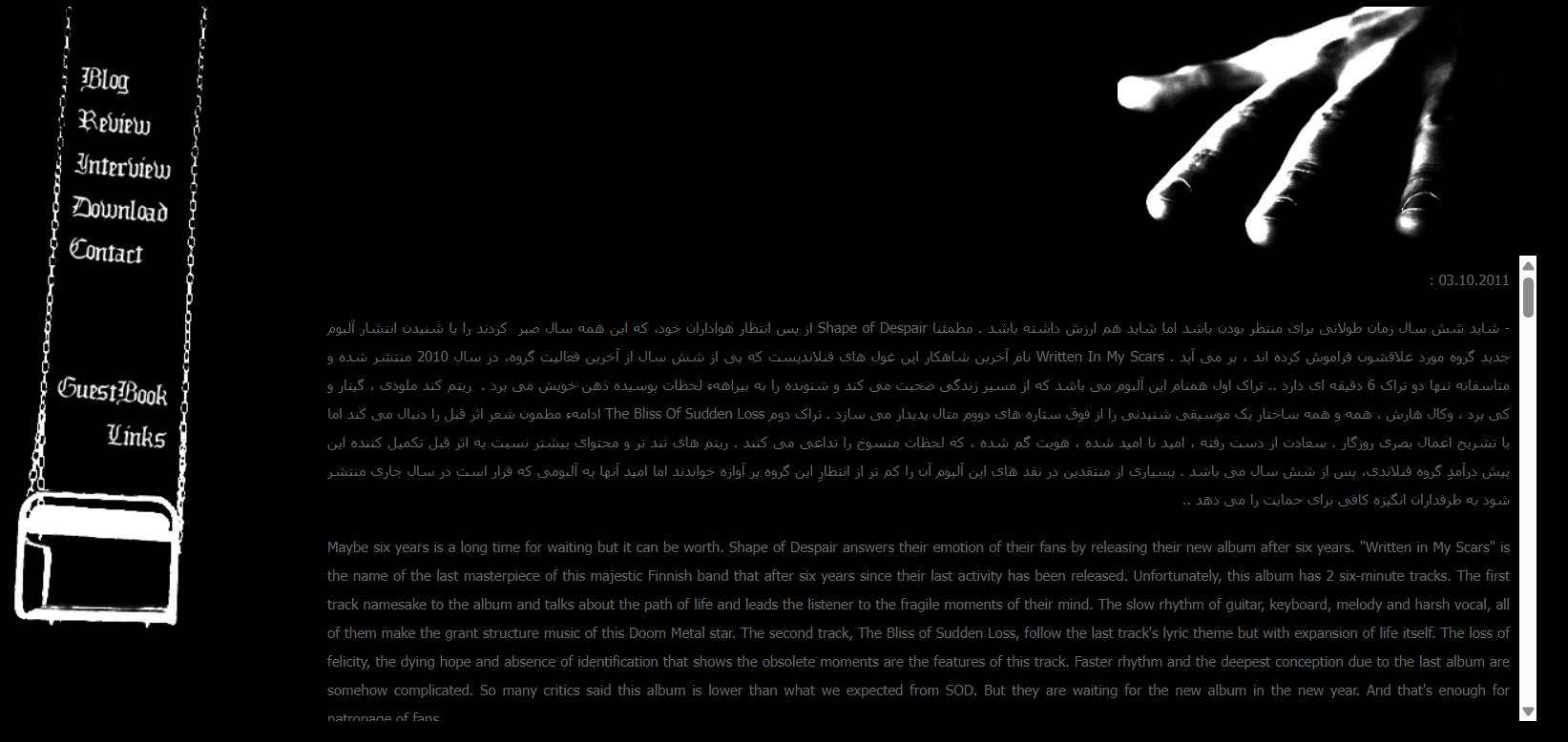
Misty-Graveyard – 2011 Layout
Anyway, this year marks the 20th anniversary of me writing about Black Metal on a blog and then on Misty-Graveyard. Although it’s become a periodical thing and I write whenever something truly captures me, I’m very proud of what this zine could achieve in its early years. Between 2005 to 2010, Misty-Graveyard had over 50 news updates, album reviews, band biographies, and a few interviews with well-known bands such as Kanwulf (Ash) of Nargaroth, Jane of Trist, Ravenlord of Woods of Infinity, Rh- and Morbid of Deep-pression Niklas of Shining.
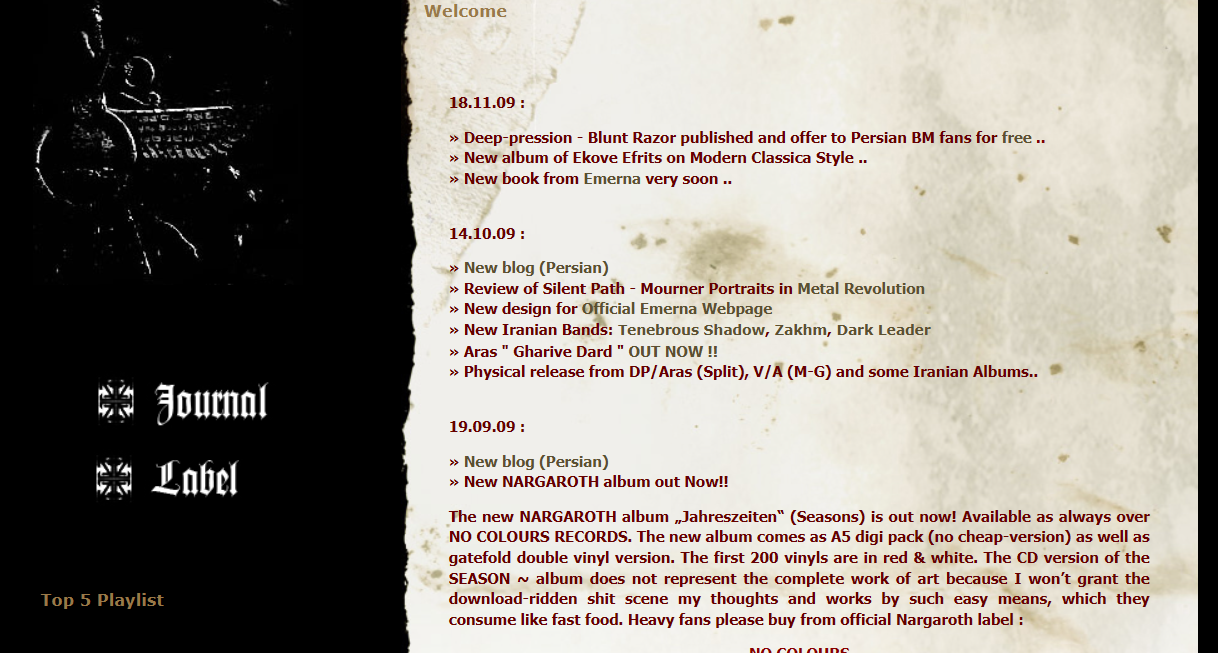
Misty-Graveyard – 2009 Layout
Of course, it’s been a team effort. My dear friend Lamentus, who later joined me in writing reviews for the zine, initially helped with English communication and translation. His vast knowledge of the [sub]genres and sharp writing skills shaped the tone and depth of Misty-Graveyard in ways I probably couldn’t have achieved alone. He’s written some of the best reviews, both of Funeral Doom and Black Metal albums, on the site on his own, and honestly, without his help and dedication, a big part of MG’s later years wouldn’t have happened.
 |
 |
 |
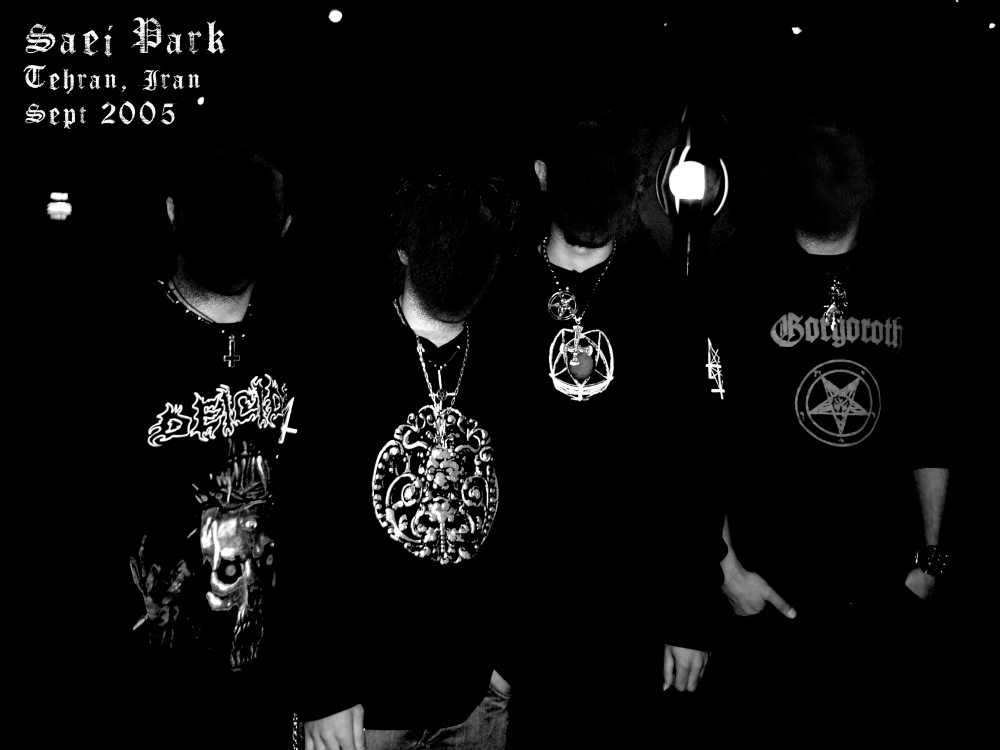 |
| Faces are blurred in the photos for security reasons. | |
After that experience, I shrunk my circle of friends, and through a friend, I was introduced to Lord Aras, who was at the top of his game at the time. Aras is considered one of the earliest Iranian black metal projects along with Avinar (aka Emerna). Aras’ friendship led me to a different phase of my music journey. We shared the love for the same style of music, liked similar bands, which made a bond between us. His music and artistic vision influence me in many ways over the years. To this day he’s one of the dearest friends of mine that I respect deeply. He also used his connections to hook me up with people to get information and conduct the interviews with Nargaroth and Shining.
At this point, all I’d listened to and written about were Scandinavian and American black metal bands, but Aras introduced me to Avinar and Sorg Innkallense, other two projects of the first wave of Iranian black metal. Sorg Innkallense’s music was directly influenced by Norwegian bands, very raw and wild, everything on tune and perfect. On the other hand, Avinar’s music had this element of sorrow, somewhat romantic, a strong vocal, dominant synth and ambient elements blended with lo-fi black metal. Very similar to Aras’s early works but a different take.
Learning about these projects and knowing they didn’t get much attention outside of our scene, I decided to dedicate Misty-Graveyard to Iranian black metal bands. At this point, most of those Persian weblogs had been filtered, banned, or entirely removed. I thought having full control by having a domain is the way to go forward. MG was indeed a product of expression under suppression.
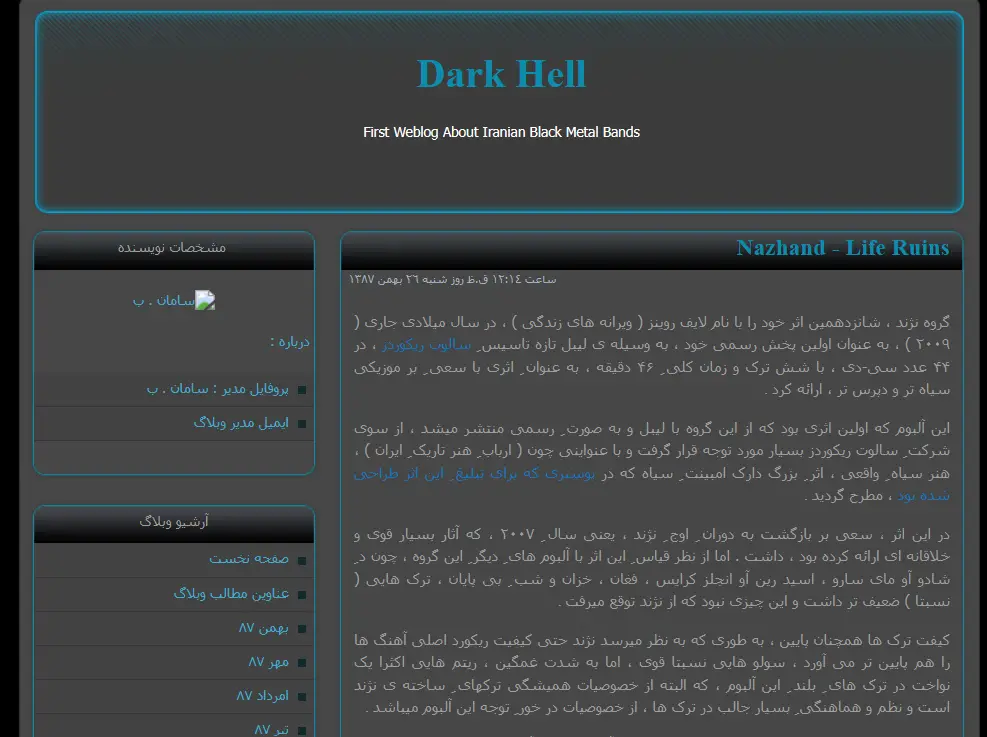
Dark-Hell – Weblog
One of those Farsi weblogs, Dark-Hell, wrote exclusively on Iranian black metal bands. I knew Saman aka Sad Owl, the owner of Dark-Hell, via Yahoo! Messenger. We met once, traded some music on CDs, and were supposed to meet again, but that never happened and he sort of disappeared. He did an amazing interview with Hamid, aka Avinar, at the time which was way ahead of what we and other weblogs were doing. A few years later in 2009, I received a letter via an email from the Internet Crime Branch of the Iranian Intelligence Agency regarding my online activities. The email stated that the agency knows about my identity, knows my interests, and that they would pursue legal action if I didn’t stop spreading satanic and blasphemous content. Around the same time, I got an email from Saman with the same context addressed to him attached. He did not reply to my response.
Dunkelheit, the other Iranian weblog that I admired, focused more on mythology and philosophical aspects of black metal, generally within Norway and the second wave bands.
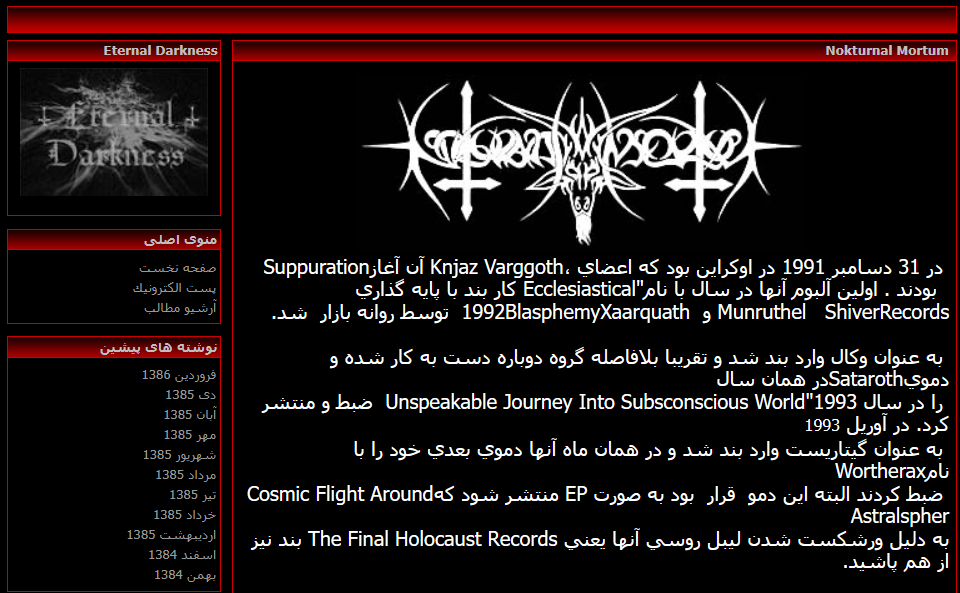
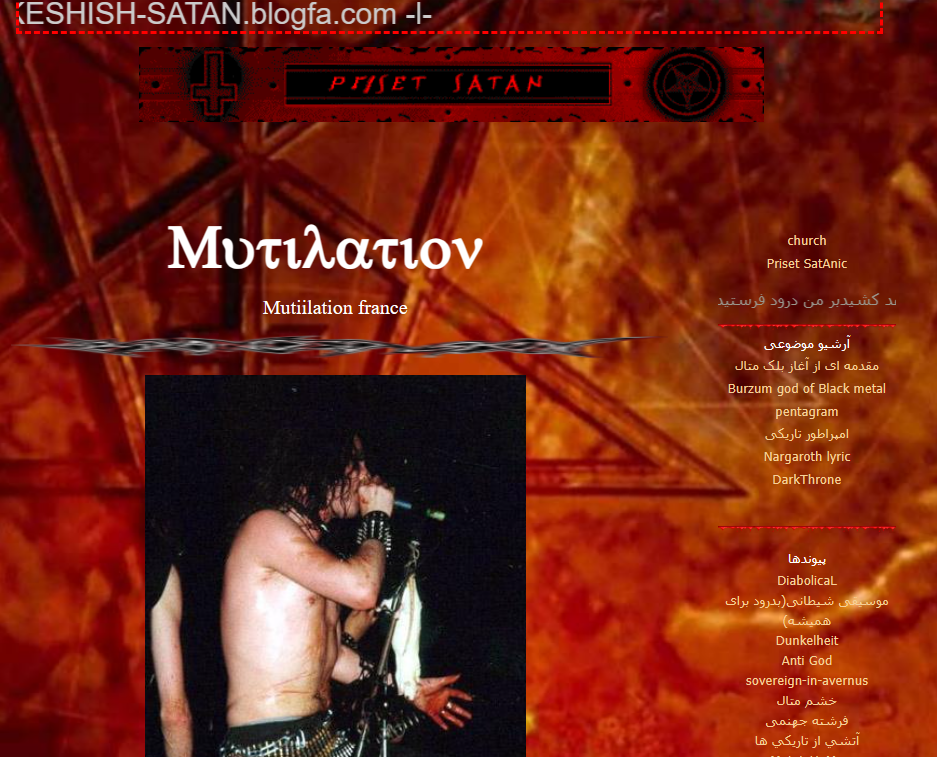
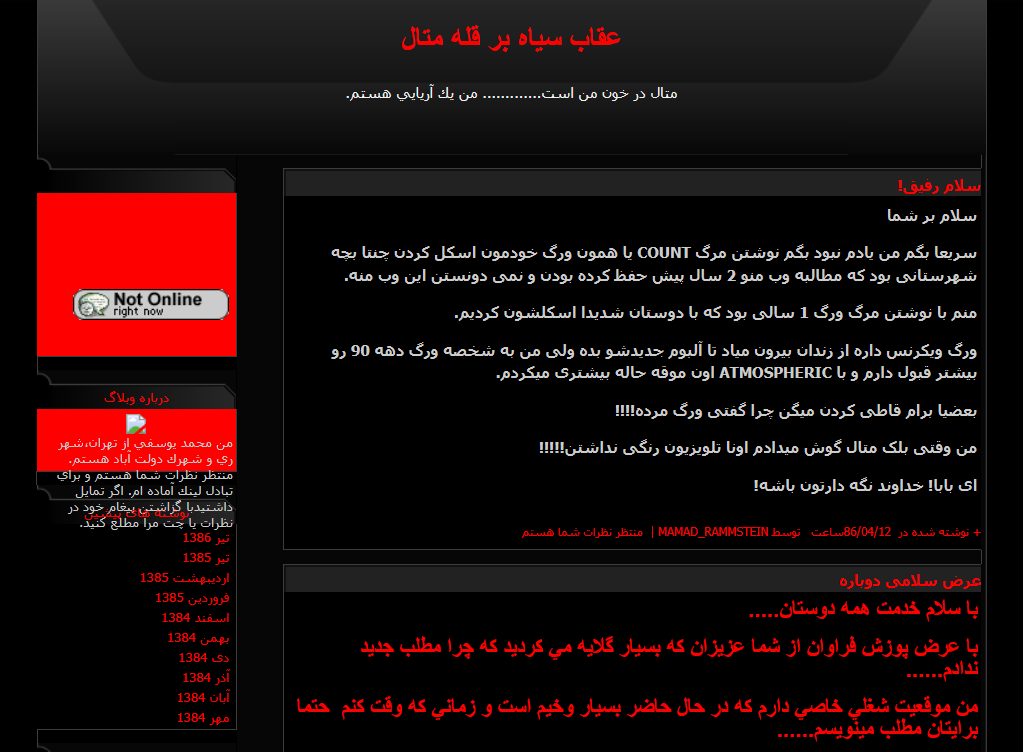
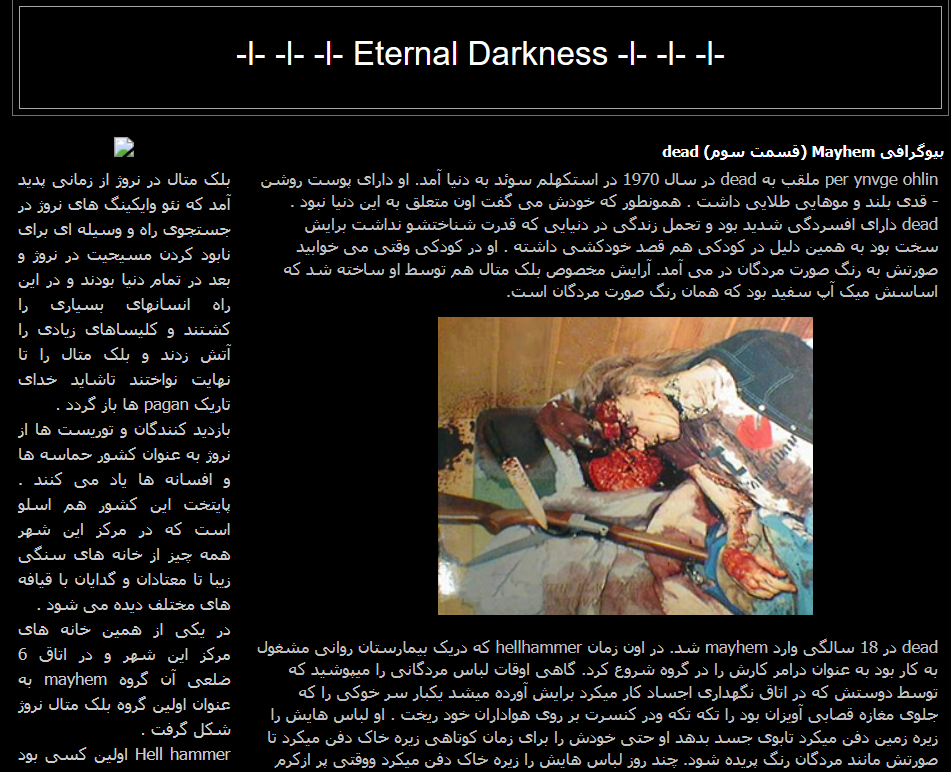
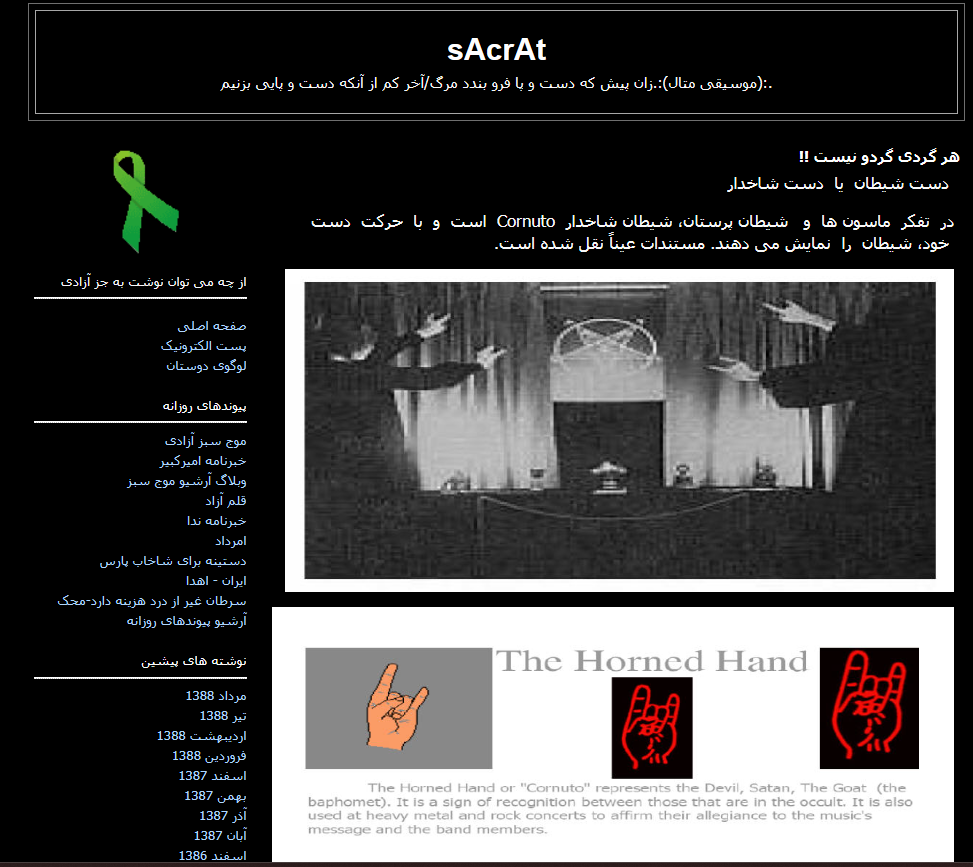
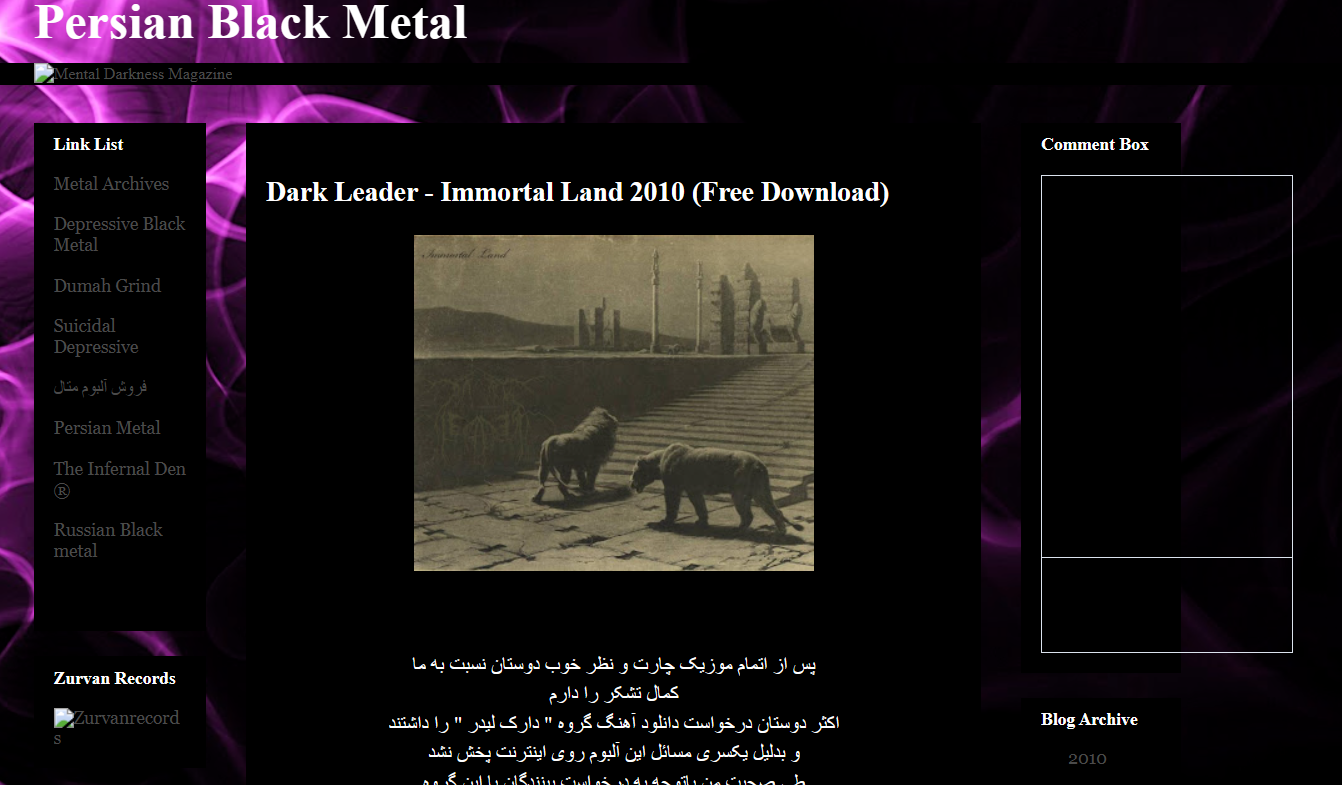
I can’t remember the names of other Farsi blogs, but there were a handful of them before they all disappeared one after another between 2006 to 2009. Here are some screenshots from the Iranian blogs:
 |
 |
 |
 |
 |
 |
I started focusing on Iranian bands more and more. Mostly being one-man projects, I befriended most of them and they’d feed me once in a while with their new songs, promos, etc. Meanwhile, a friend of a friend, who went by the name Blasphemer, approached me about creating a database, something like Metal-Archives in Farsi, but with one difference: each band would have a short biography. I liked the idea immediately and jumped in. MetalCenter.ir was born and we indexed about 100 black, doom, and death metal bands in Farsi within a year. He actually designed the Misty-Graveyard logo and the very first website template in HTML. Unfortunately, we lost contact for a while and he became disinterested. The project died eventually.
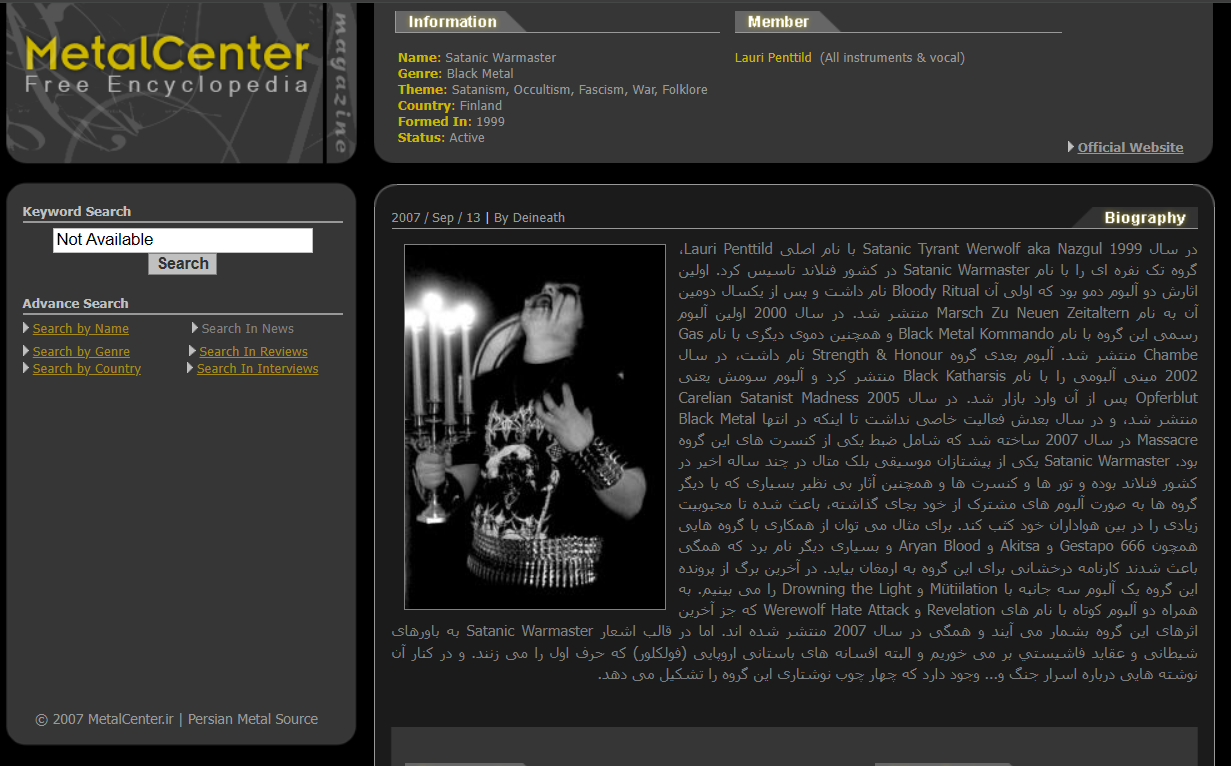
MetalCenter.ir
I was absolutely blown away with what Iranian black metal could offer as I explored more. At this point, Avinar had changed its name and become Emerna. Ekove Efrits put out Suicidal Rebirth, a record that was unlike anything else in the Iranian scene at the time. Daamoon’s Nest of Death included a song with vocals in Farsi, showing that it could be done. Nazhand (aka Najand) took the lead in ambient black metal, and Halla introduced the rawest Iranian BM up to that point. At this point, I also stablished a connections / became friends with Murkmyth, Count De Efrit, Nazhand, Members of Halla, Morego of Xerxes the Dark (Dark Ambient) and a few of other projects that gained me a first hand experience from their recording process and new material, which helped me a lot to keep the website running and also share their music.
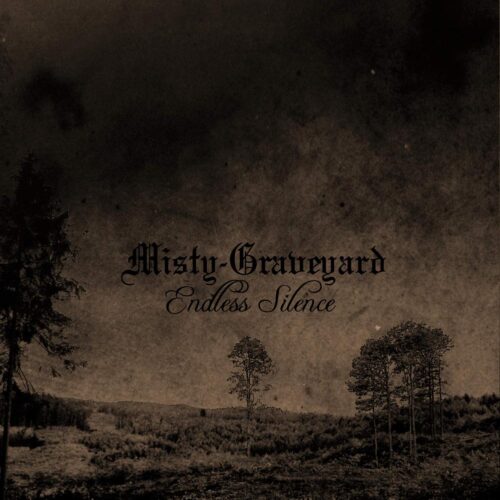
I don’t think the Iranian black metal scene was ever as powerful as it was from 2005 to 2012. Even short-lived copycat projects like Dark Leader, Cold Cry, or Sar had something interesting to them. I guess that’s what I’d call the end of the second wave of Iranian black metal, which is also aligned with the end of the first wave bands, give or take. I’d include Misty-Graveyard’s demise in that timeframe as well. And that’s where I’m stuck. Nothing sounds like those albums that were produced during that era. At least they’re not appealing to me the way they did.
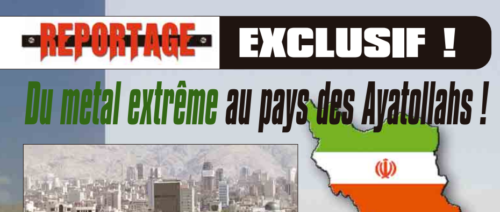
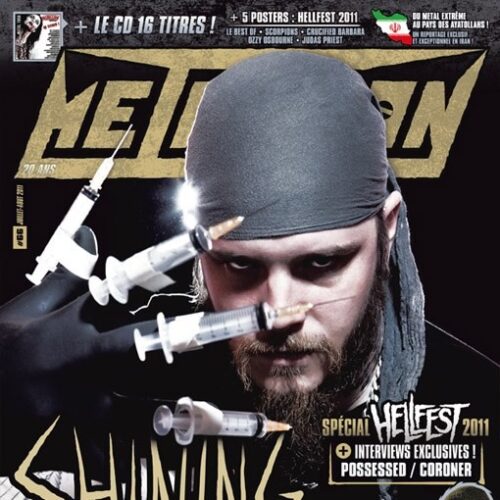
Metallian cover June 2011
In the midst of everything happening around Misty Graveyard at the time, Metallian Magazine from France reached out in 2011 and asked to interview me about extreme metal in Iran. I spoke with Dimitri Groult about the underground scene, the obstacles we faced, and the real risks behind it all. You can read Du metal extreme au pays des Ayatollahs (Extreme metal in the land of the Ayatollahs) here: https://www.metallian.online/iran
As a result, Misty-Graveyard’s focus changed back to general underground black metal, because there was nothing really produced in Iran worth mentioning for years. This was also the time I moved to the States and it took me a couple of years to settle and start thinking about writing properly. And when the video format of social media emerged, I consequently started posting instead of writing. Occasional reviews come naturally. I listen to a new album and immediately write something about it. That happens once or twice a year nowadays.
If it weren’t for Lamentus’s efforts writing reviews in the last few years, Misty-Graveyard wouldn’t have any updates besides its Instagram activity. Ironically, this drought has been happening during the time that I’ve been listening to black metal more than ever. There was a time that I tried my best to get the Iranian black metal albums out there, promoting, singing them to labels, etc. I hope the part MG played was helpful, but certainly not enough. We’re unfortunately still estranged from the whole community.
From the Vastland steered some attention with its 2013 Inferno live performance and later with its handful of albums. Then Akvan rose and that definitely turned people’s heads. Harpag and his many projects kept the flaming burning with releases on Ardawahisht Kollective, a circle which we never truly had before. I can say Trivax made news post-pandemic, trying to put Iran back on the map with solid sounding music.
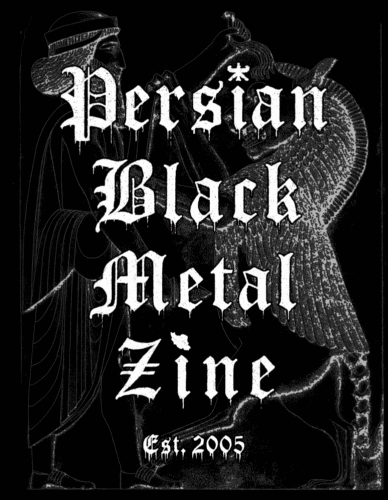
So, 20 years. I can’t say I didn’t see it coming. It certainly has been a passion rooted deep in my soul from the very beginning. I vowed to keep this going as long as I can. It saddens me to not see more written black metal articles in Farsi. Some tried and gave up too quickly. Heavy Rate Champion was another short-lived website that started a few years ago but suddenly disappeared. I’m aware of Iranian community and group chats in Telegram, as well as IG and YT accounts like RealXSnake, I hope they expand their works to blogs and other formats that is more accessible and stores on the web.
Maybe that’s all Misty-Graveyard was ever meant to be: a whisper in the static, a flickering torch passed between the few of us who cared enough to keep the memory alive. It never needed to be loud. It just needed to survive. And 20 years later, it still does. Somewhere beneath the dust of old bootleg albums, inside a folder named after a band no one remembers, the scene still breathes. It’s buried, but not dead. It’s mist, not smoke.
